সোমবার, ৯ নভেম্বর ২০২৬
সোমবার, ৯ নভেম্বর ২০২৬

The recent devastation caused by Hurricane Melissa—the most powerful Atlantic storm of the year—has severely impacted Jamaica and several Caribbean islands, prompting an urgent humanitarian crisis. Prime Minister Andrew Holness declared Jamaica a disaster zone following widespread flooding and power outages. As the country seeks international assistance, concerns are mounting about the United States’ capacity […]
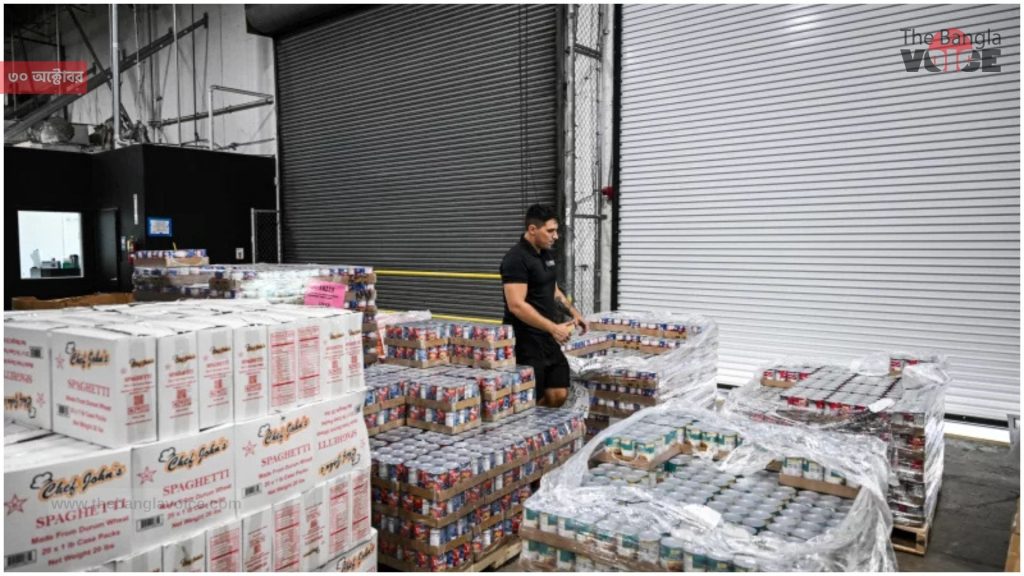
The recent devastation caused by Hurricane Melissa—the most powerful Atlantic storm of the year—has severely impacted Jamaica and several Caribbean islands, prompting an urgent humanitarian crisis. Prime Minister Andrew Holness declared Jamaica a disaster zone following widespread flooding and power outages. As the country seeks international assistance, concerns are mounting about the United States’ capacity to respond effectively in the wake of the dismantling of the United States Agency for International Development (USAID), the leading U.S. agency for global disaster relief.
USAID’s Closure and Its Consequences
USAID, historically the cornerstone of U.S. international disaster response, was dismantled under the Trump administration, accompanied by massive cuts to foreign aid budgets. This move has significantly disrupted America’s ability to coordinate rapid and efficient relief operations abroad. USAID employed approximately 800 specialized disaster response personnel and maintained a comprehensive framework for disaster preparedness and response, including pre-positioning of emergency supplies and close collaboration with regional governments and emergency entities.
In the case of Hurricane Melissa, had USAID been operational, preparations would have begun months in advance. This would have involved joint exercises with local emergency management teams, stockpiling critical materials such as plastic sheeting and food kits in strategic locations like Miami and vulnerable countries such as Haiti, and deploying personnel to the region ahead of the storm to facilitate swift on-ground action.
Transition to State Department Response and Emerging Challenges
Following USAID’s closure on July 1, only a fraction—about 100 disaster response staff—transitioned into the State Department’s Bureau of Population Refugees and Migration. Although the State Department has pledged to lead the U.S. response to Hurricane Melissa, experts express doubts regarding its preparedness and operational agility for large-scale disaster relief.
Secretary of State Marco Rubio confirmed ongoing engagement with Jamaica and other affected Caribbean nations, highlighting that rescue teams and critical supplies are en route. While this response is welcomed, humanitarian experts caution that the State Department’s bureaucratic structure and legacy systems are not optimized for the rapid, flexible coordination that disaster relief demands. Unlike USAID’s tailored infrastructure, the State Department’s protocols may slow down crucial aid delivery.
Importance of Local Government Leadership and Specialized Support
Effective disaster relief hinges on close cooperation with the affected country’s government, which directs aid priorities based on local needs. Jamaica is expected to request assistance primarily in emergency food supplies, logistics support for delivering aid to remote areas, and damage assessment capabilities.
USAID previously provided sophisticated technological tools for damage evaluation and facilitated communications and logistics to reach the most vulnerable populations. The absence of such specialized support raises concerns about the efficiency and reach of current U.S. aid efforts.
Broader Implications: Impact on U.S. Global Disaster Readiness
The dismantling of USAID and the slashing of foreign aid budgets have broader ramifications beyond this single event. Experts warn that the reduced staffing and funding severely constrain the U.S.’s ability to respond not only to Hurricane Melissa but also to other emerging humanitarian crises worldwide. With ongoing conflicts and disasters in regions like the Middle East and Africa, U.S. disaster relief resources are stretched thin, limiting the nation’s capacity to mount comprehensive and timely interventions.
Moreover, the loss of institutional knowledge and expertise accumulated over decades poses a risk to the quality and coordination of aid delivery. Past experiences, such as the chaotic aftermath of the Haiti earthquake, underscored the need for a well-organized relief agency capable of managing complex international responses—capabilities that may now be diminished.
Conclusion
The dismantling of USAID represents a significant setback for U.S.-led international disaster response, especially as natural disasters like Hurricane Melissa become increasingly frequent and severe due to climate change. While the State Department is stepping in to fill the gap, systemic challenges and resource limitations threaten the effectiveness of relief efforts in Jamaica and beyond.
For policymakers, this situation underscores the critical importance of maintaining robust, specialized disaster response agencies and ensuring adequate funding to meet global humanitarian needs. For readers and communities, understanding these dynamics highlights the interconnectedness of international aid structures and the real-world impact of political decisions on disaster recovery and resilience.
Source: NPR, U.S. Department of State statements, expert interviews including Sarah Charles (former USAID official) and Brian Heidel (humanitarian expert).




বাঙালির সত্য সংরক্ষণে বাংলা ভয়েজ