
সোমবার, ৯ নভেম্বর ২০২৬
সোমবার, ৯ নভেম্বর ২০২৬

Former U.S. President Donald Trump announced a significant escalation in trade tensions with Canada by imposing an extra 10% tariff on Canadian goods. This decision was triggered by a recent television advertisement aired by Ontario, Canada’s largest province, which criticized U.S. tariffs using a quotation from former President Ronald Reagan. The advertisement, broadcast during the […]
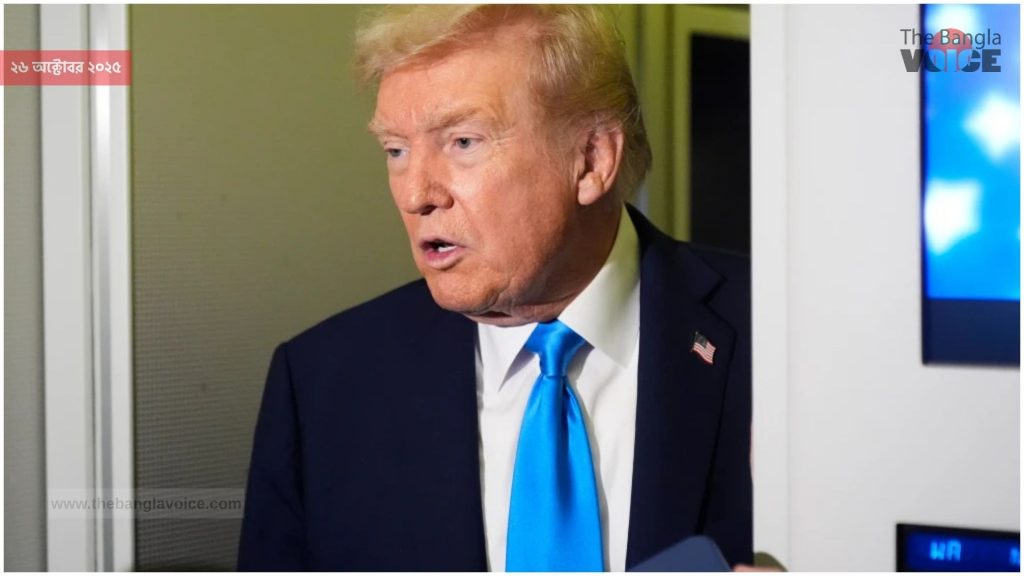
Former U.S. President Donald Trump announced a significant escalation in trade tensions with Canada by imposing an extra 10% tariff on Canadian goods. This decision was triggered by a recent television advertisement aired by Ontario, Canada’s largest province, which criticized U.S. tariffs using a quotation from former President Ronald Reagan.
The advertisement, broadcast during the high-profile first game of the World Series on Friday night, drew sharp criticism from Trump. He described the ad as a deliberate misrepresentation of facts and a hostile act against the United States. Trump expressed his frustration that Ontario had failed to remove the advertisement promptly, despite prior demands. In response, he declared an immediate increase in tariffs on Canadian imports, adding 10% on top of the existing rates.
Ontario’s Premier, Doug Ford, responded by committing to pull the advertisement shortly after the weekend, attempting to de-escalate the brewing conflict. However, the damage had already prompted Trump to threaten the termination of ongoing trade negotiations between the U.S. and Canada.
This development occurred as Trump was en route to Malaysia to attend the Association of Southeast Asian Nations (ASEAN) summit, where both Trump and Canadian Prime Minister Mark Carney were scheduled to participate. Despite the shared forum, Trump made it clear to reporters that he had no plans to meet with Carney during the summit, signaling a continued strain in diplomatic relations.
Context and Implications
The trade dispute highlights the fragile nature of U.S.-Canada economic relations amid ongoing tariff disagreements. Trump’s decision to impose additional tariffs reflects a broader strategy of leveraging economic pressure to influence trade policies. The use of a Reagan quotation in Ontario’s ad underscores the political sensitivity and symbolic weight of trade rhetoric on both sides.
For Canadian exporters and businesses, the increased tariffs could mean higher costs and reduced competitiveness in the U.S. market, potentially impacting supply chains and consumer prices. Conversely, U.S. consumers might face higher prices for certain Canadian goods, affecting market dynamics and bilateral trade flows.
From a geopolitical perspective, this incident could complicate negotiations on broader trade agreements and cooperation frameworks, as trust between the two nations becomes strained. It also signals to other trading partners the potential volatility in U.S. trade policies under Trump’s influence.
Importance for Readers
Understanding the ramifications of these tariff hikes is crucial for businesses, investors, and consumers in both countries. It highlights the interconnectedness of international trade and the significant impact that political decisions can have on economic stability. Staying informed enables stakeholders to anticipate market shifts and adjust strategies accordingly.
Source: Associated Press (AP)









বাঙালির সত্য সংরক্ষণে বাংলা ভয়েজ