
সোমবার, ৯ নভেম্বর ২০২৬
সোমবার, ৯ নভেম্বর ২০২৬

Hurricane Melissa has unleashed severe destruction across the Caribbean, leaving a trail of tragedy and devastation in Cuba, Haiti, and Jamaica. This catastrophic storm, once a powerful Category 5 hurricane, caused widespread damage including roofless homes, fallen utility poles, and flooded streets, dramatically altering the lives of thousands. In Jamaica’s St. Elizabeth parish, the impact […]
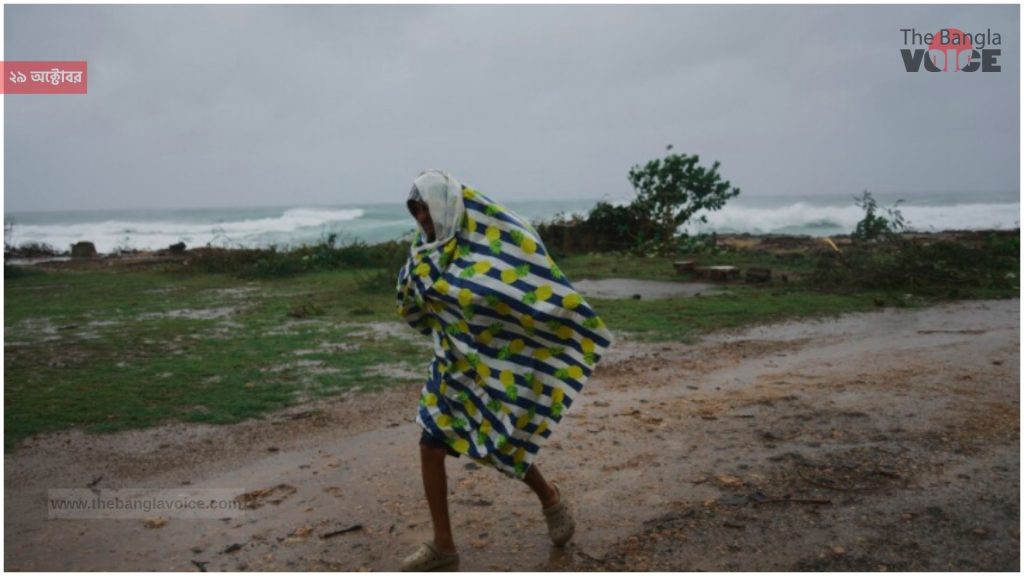
Hurricane Melissa has unleashed severe destruction across the Caribbean, leaving a trail of tragedy and devastation in Cuba, Haiti, and Jamaica. This catastrophic storm, once a powerful Category 5 hurricane, caused widespread damage including roofless homes, fallen utility poles, and flooded streets, dramatically altering the lives of thousands.
In Jamaica’s St. Elizabeth parish, the impact was particularly severe. Heavy rains triggered a massive landslide in Santa Cruz, blocking main roads and turning streets into muddy quagmires. Residents struggled to clear floodwaters from their homes, desperately trying to save their belongings amid the chaos. Public shelters, including a local high school, suffered extensive damage when fierce winds tore away parts of the roof. “I have never witnessed anything like this in all my years here,” said Jennifer Small, a local resident, reflecting the unprecedented nature of the disaster.
Melissa made landfall in Jamaica on Tuesday as a devastating Category 5 hurricane, with sustained winds reaching 185 mph (295 kph), ranking it among the most powerful Atlantic storms ever recorded. Although the storm weakened as it moved toward Cuba, its far-reaching effects were felt across the region.
Haiti bore a heavy human toll, with the Civil Protection Agency reporting at least 23 confirmed deaths and 13 people still missing. The southern coastal town of Petit-Goâve was particularly hard hit, where flooding caused numerous homes to collapse, accounting for most of the casualties and disappearances. It is important to note that these numbers may fluctuate as rescue and recovery operations continue in the aftermath of the disaster.
The widespread destruction caused by Hurricane Melissa highlights the vulnerability of Caribbean nations to increasingly intense tropical storms, a trend linked to climate change. Infrastructure in many areas remains fragile, and the socio-economic consequences for affected communities can be long-lasting. Recovery efforts will require substantial resources and coordinated international support to rebuild homes, restore utilities, and provide aid to displaced families.
For readers, understanding the scale of such natural disasters underscores the importance of preparedness, climate resilience, and humanitarian response. Hurricanes like Melissa not only disrupt daily life but also threaten economic stability and public health in vulnerable regions.
Source: Associated Press (AP)








বাঙালির সত্য সংরক্ষণে বাংলা ভয়েজ